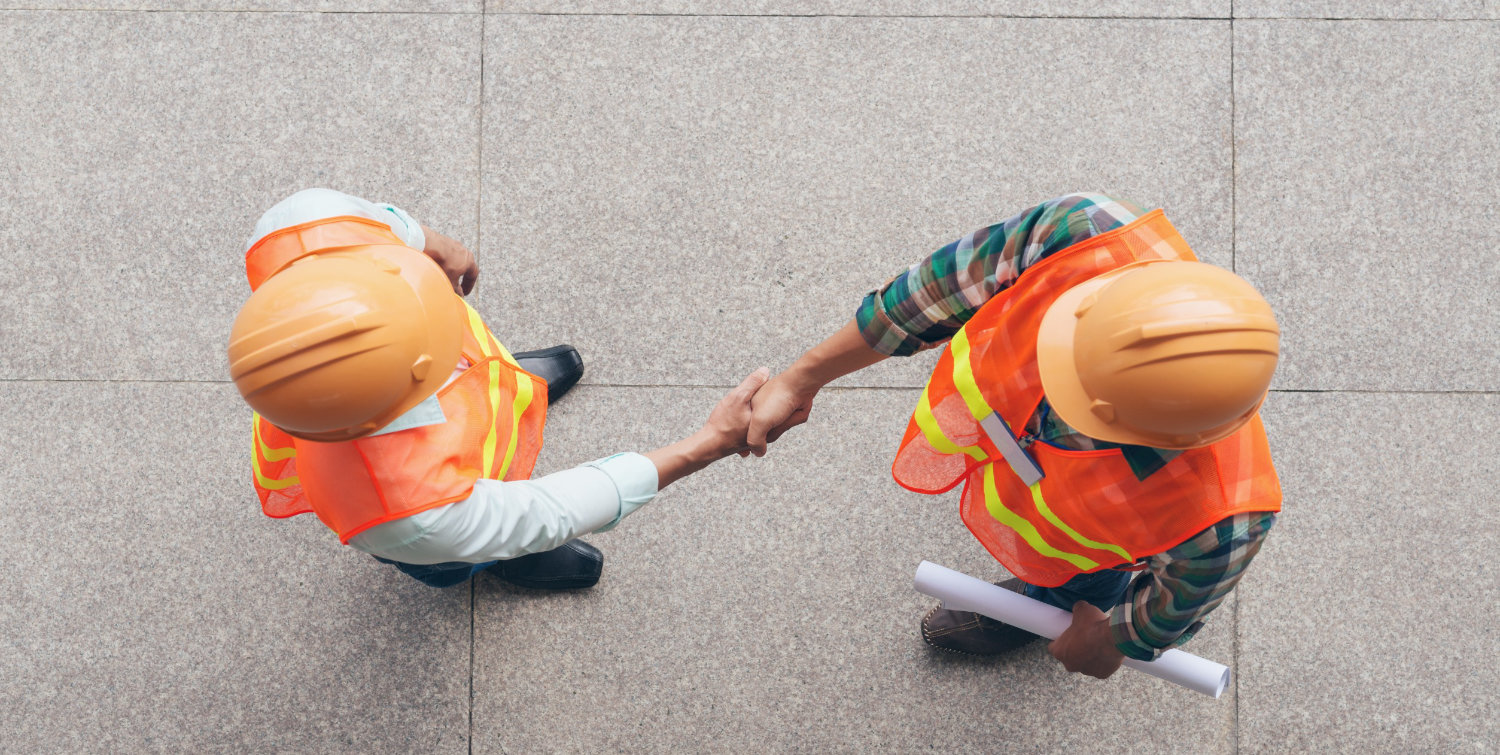
Construction projects are complex endeavours that require the collaboration and coordination of multiple stakeholders. Effective communication and collaboration play a pivotal role in ensuring project success, avoiding costly delays, and delivering high-quality results. In this blog post, we will delve into the importance of collaboration in construction projects and explore key strategies for fostering effective communication among project teams. By embracing a collaborative mindset, construction professionals can enhance teamwork, reduce conflicts, and achieve optimal project outcomes.
- Early Engagement and Integrated Project Delivery: Successful collaboration starts from the early stages of a project. By engaging all stakeholders, including architects, engineers, contractors, and subcontractors, from the outset, a culture of collaboration can be established. Integrated Project Delivery (IPD) approaches, such as Lean Construction and Building Information Modelling (BIM), promote early involvement and foster open communication among team members. This allows for the sharing of expertise, identification of potential issues, and collaborative problem-solving. With a collaborative mindset, project teams can streamline decision-making processes, avoid costly rework, and create a more efficient and cohesive project environment.
- Clear and Open Communication Channels: Clear and open communication is the foundation of successful collaboration in construction projects. Establishing effective communication channels ensures that information flows freely between all stakeholders. Regular project meetings, both on-site and virtual, provide a platform for sharing progress updates, addressing challenges, and making informed decisions collectively. Leveraging digital collaboration tools, such as project management software and cloud-based platforms, facilitates real-time information sharing, document management, and coordination across dispersed project teams. Transparent communication promotes trust, reduces misunderstandings, and ensures that everyone is working towards a shared goal.
- Collaborative Decision-Making: Collaborative decision-making empowers project teams by involving key stakeholders in critical choices throughout the project lifecycle. By creating an environment that encourages diverse perspectives and input, construction professionals can tap into the collective expertise of the team. Collaborative decision-making fosters a sense of ownership and commitment among team members, increasing their motivation and engagement. Additionally, involving subcontractors and suppliers early in the decision-making process enables them to provide valuable insights, identify potential constructibility issues, and offer cost-effective solutions. The result is improved project outcomes, reduced conflicts, and enhanced project delivery.
- Conflict Resolution and Dispute Management: Despite the best efforts, conflicts and disputes can arise in construction projects. A collaborative approach to conflict resolution is crucial to maintain project momentum and positive working relationships. Implementing structured dispute resolution mechanisms, such as mediation or partnering workshops, encourages open dialogue and helps parties find mutually acceptable solutions. Clear and fair dispute resolution processes promote fairness, preserve relationships, and minimise the impact on project progress. Additionally, fostering a culture of collaboration and open communication from the beginning can help prevent conflicts or address them promptly, mitigating potential disruptions.
Collaboration and effective communication are vital elements in the success of construction projects. By embracing a collaborative mindset, engaging stakeholders early, establishing clear communication channels, promoting collaborative decision-making, and effectively managing conflicts, construction professionals can foster a culture of collaboration that drives project success. Collaboration enhances teamwork, streamlines processes, and ensures that project objectives are achieved efficiently and to the highest standards. Embracing collaboration in construction projects cultivates positive working relationships, creates value for all stakeholders, and paves the way for successful project outcomes.